Journal · 5 min
How to buy real honey: labels, pollen and a place you can trace
Why buy honey with a known origin? Read the label, ask better questions, and learn why pollen and popular home tests can’t prove a jar is real.
By Not Your Grocery Store Honey · Updated
To buy real honey, look for clear producer and origin information, truthful labeling, and a seller who can explain sourcing and handling. Grocery-store honey can be genuine; buying directly is an opportunity for better traceability, not a guarantee of purity. Pollen, color, crystallization and home tests cannot establish authenticity on their own.
Why buy honey with a known origin?
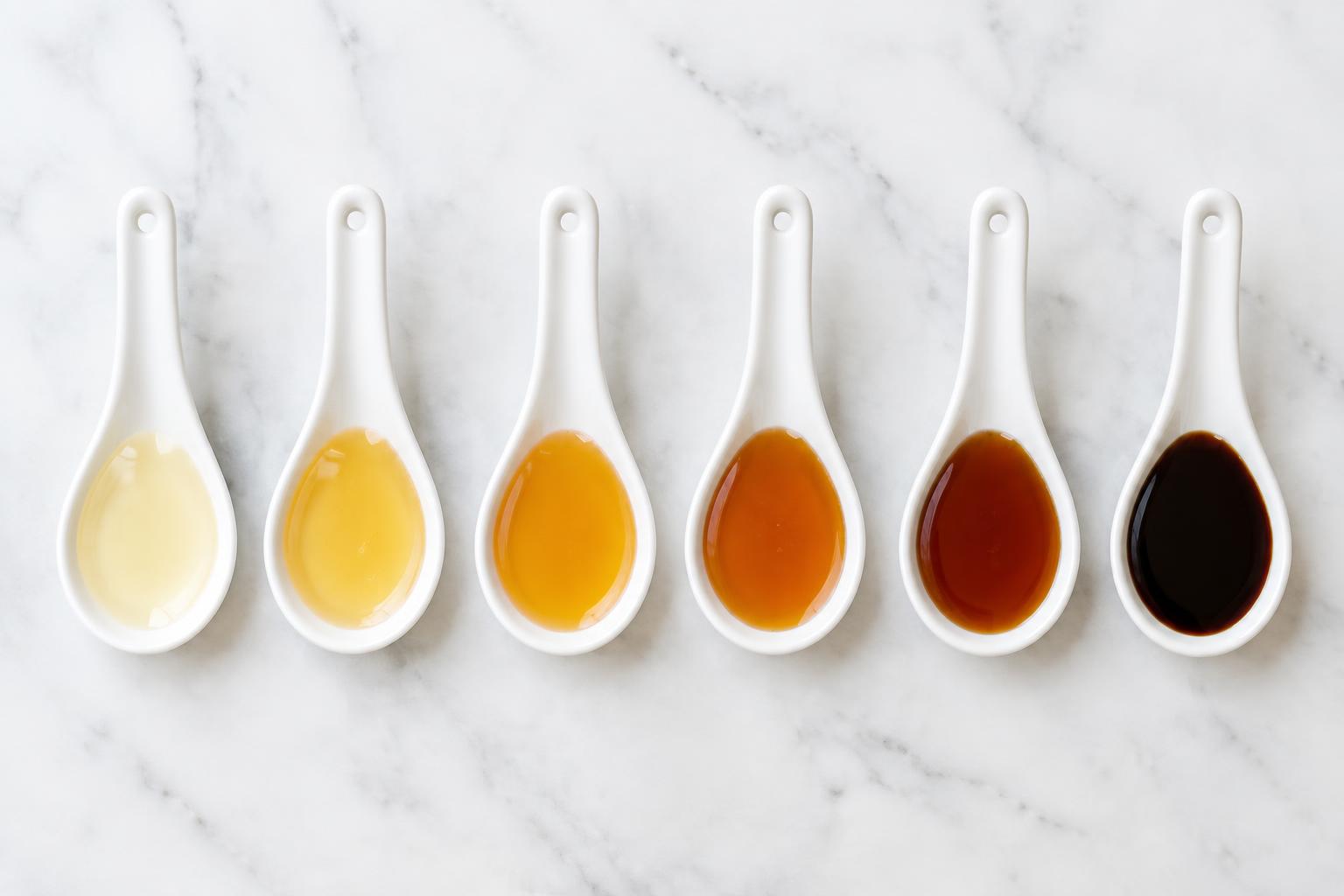
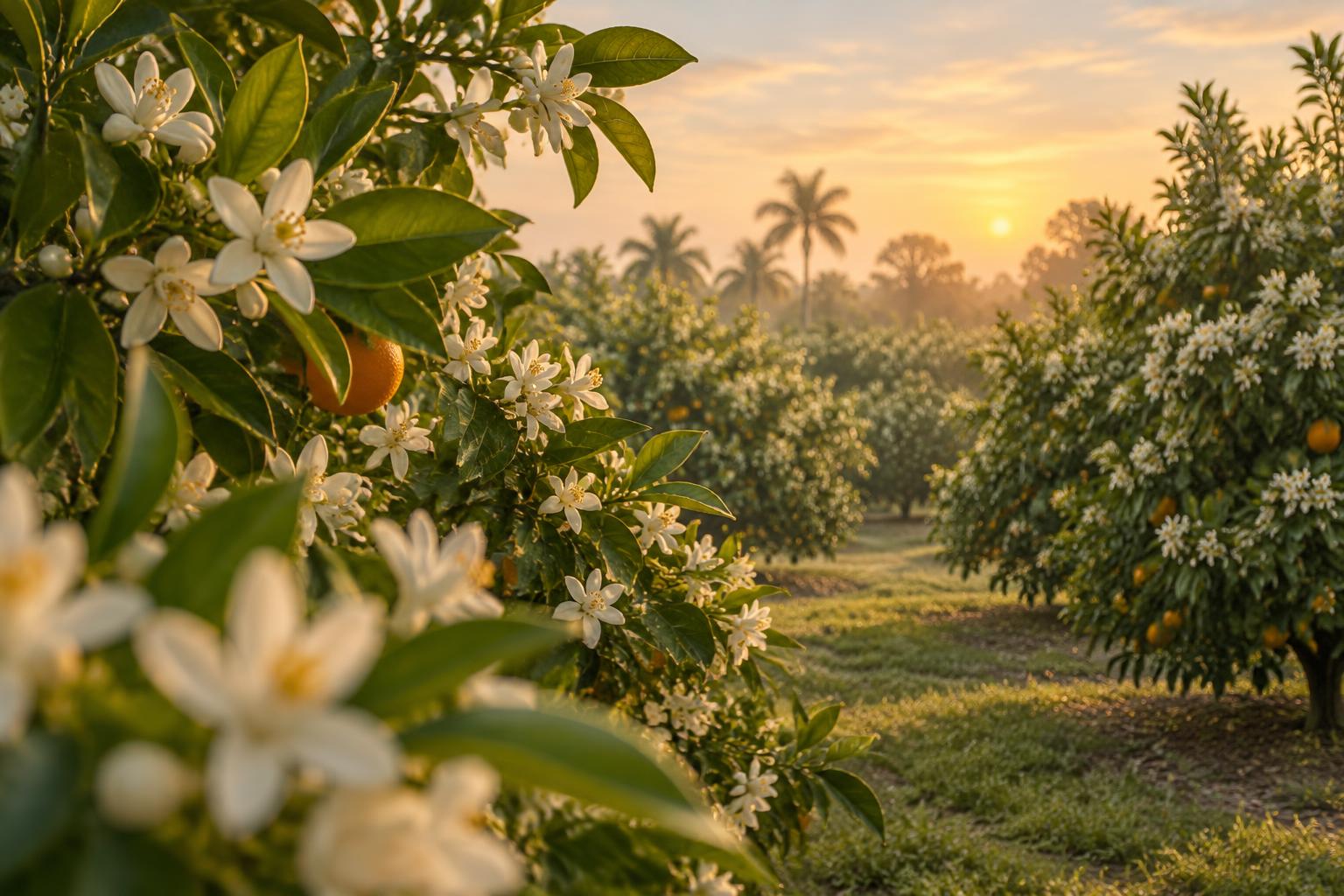
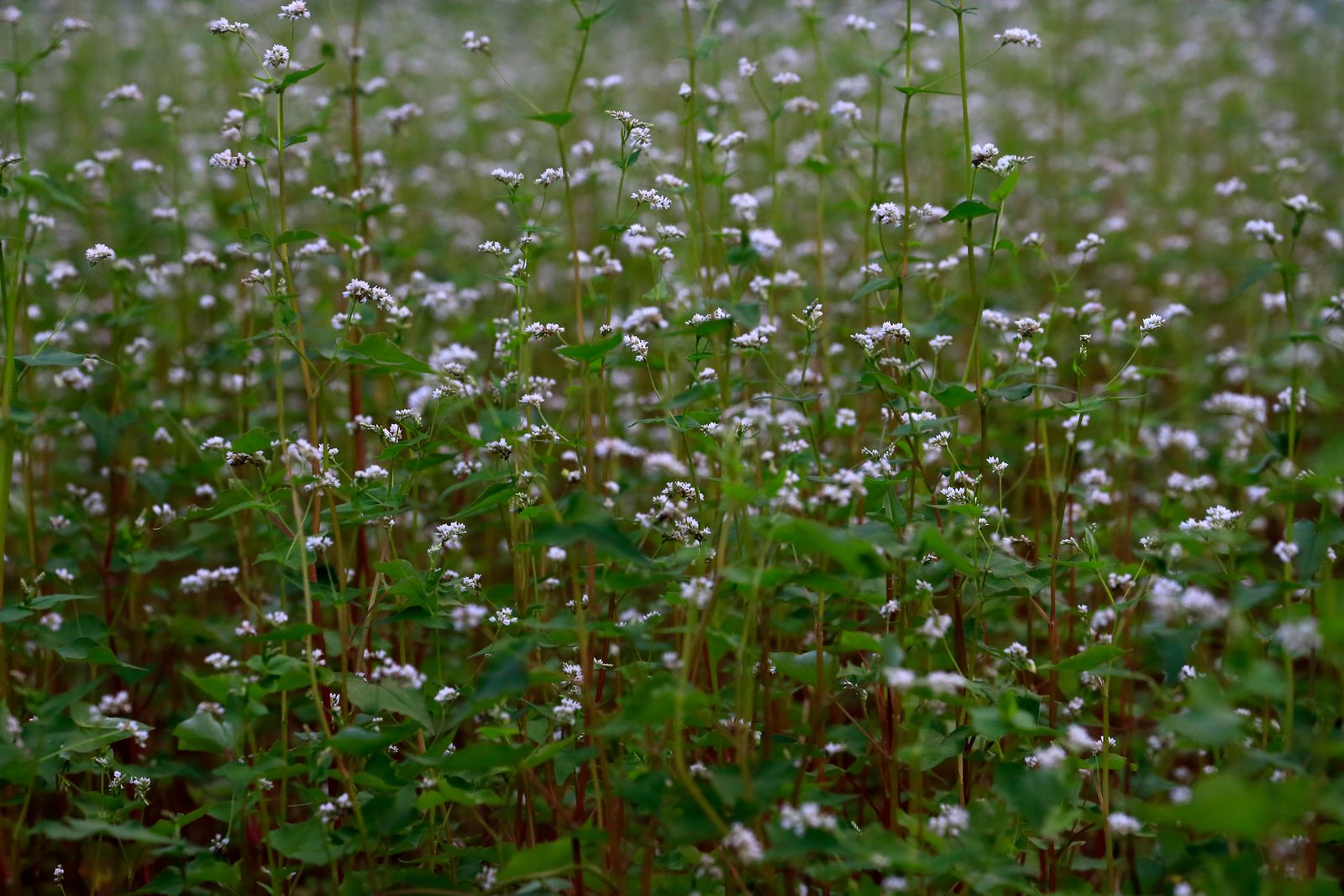
Because ‘sweet’ is only the beginning. Orange blossom, dark buckwheat and a wildflower harvest invite different kinds of tasting. A place, a bloom and a harvest season give you something specific to explore, rather than a jar whose story ends at the packing label.
Buying from a beekeeper or a transparent retailer can make that conversation easier. Ask where the honey was harvested and what was flowering. The point is a more informative purchase, not a claim that every small producer is beyond scrutiny or every supermarket jar is suspect.
Is grocery-store honey real or fake?
You cannot decide from the shelf it sits on. Honey adulteration—such as undeclared added sweeteners—is a real issue that the FDA investigates. But findings from a targeted sampling assignment are not a verdict on all grocery-store honey. A supermarket can sell genuine honey, including honey from a named producer.
Likewise, ‘raw,’ ‘natural,’ ‘local’ and a handwritten label are not laboratory certificates. Separate three questions: what is in the jar, where did it come from, and how was it handled? A reassuring answer to one does not automatically answer the others.
FDA — FY25 honey adulteration sampling assignmentFDA — Proper labeling of honey and honey products
What to look for on a honey label
FDA guidance distinguishes honey from products containing honey plus another sweetener. A blend should not be represented as honey alone. If you want plain honey, avoid products described as honey-flavored syrup or blends with other sweeteners.
A packing address is not necessarily the harvest location. Look for an origin statement, and ask if that leaves the source unclear. A floral name can be useful for choosing flavor, but it is still a claim, not independent proof.
- Who produced or sourced the honey, and can you contact them?
- Where was it harvested, rather than just bottled?
- Is it plain honey or a blend with another sweetener?
- Can the seller describe the floral source, season and handling?
The pollen mystery: a clue, not a certificate
Pollen can help specialists investigate botanical and geographic origin. Fine filtration may remove pollen, which can remove one source of evidence. That does not establish why a particular producer filtered honey, and it is not proof of a scheme to conceal origin.
Pollen analysis has limits even when pollen is present. Some plants are overrepresented or underrepresented, and laboratory methods affect interpretation. Researchers therefore discuss authentication using multiple analytical approaches. ‘Contains pollen’ is not the same as ‘proven pure’; ‘little pollen’ is not the same as ‘fake.’
Oregon honey standards — filtered honey (state rule)Food Control — Review of pollen analysis and honey originScientific review — Honey authenticity and analytical methods
How to tell if honey is real: skip the home-test shortcuts
The water test, thumb test and flame test cannot reliably authenticate a jar. Don’t burn honey or use its thickness as a verdict. Honey is naturally variable, and a test that cannot distinguish those variations from added sweeteners does not settle the question.
For a consumer, transparency is a practical filter—not certainty. For an authenticity claim, specialized testing is the relevant evidence. If a seller advertises testing, ask what the test assessed and whether it relates to the honey you are buying, rather than an unrelated sample.
Scientific review — Honey authenticity and analytical methods
Make the next jar a conversation
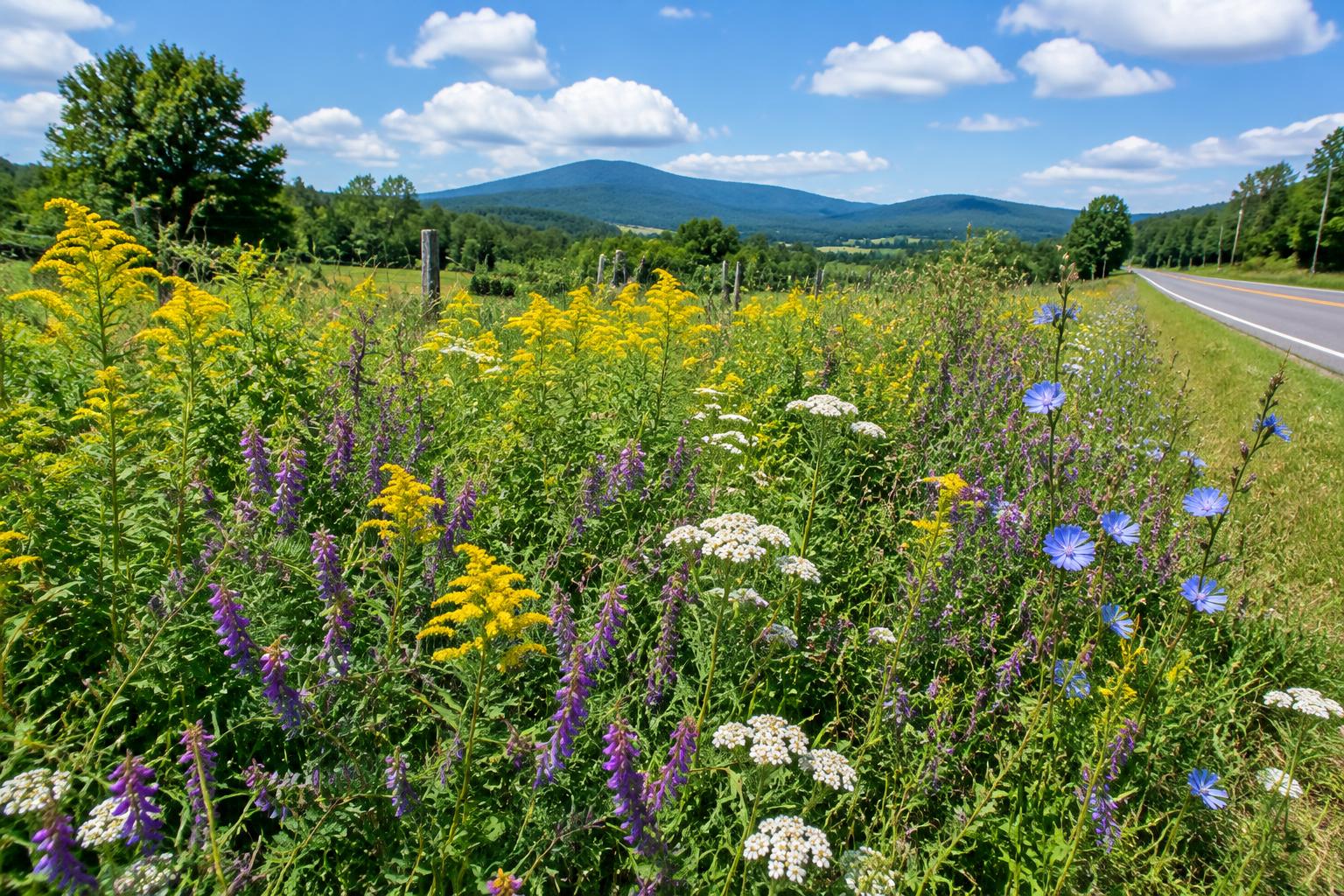
Start with one question: ‘Where did the bees gather nectar for this honey?’ Then ask about the season and handling. You may learn about a citrus grove, a short bloom or a changing wildflower harvest. That is a reason to seek out traceable honey—more place, more flavor, more to notice—not fear of every grocery shelf.
Our apiary directory is a starting point for those conversations, not a certification or endorsement. Confirm current details with the producer before visiting or buying.
A few more answers
- Does the water test prove honey is real?
- No. A home water test is not a reliable authenticity test. Honey authentication requires specialized analysis that accounts for natural variation and the adulteration being investigated.
- Does no pollen mean fake honey?
- No. Fine filtration can remove pollen. Pollen is one clue to origin, but its presence or absence alone does not prove whether added sweeteners are present.
- Is buying directly from a beekeeper better?
- It can make it easier to ask about harvest location, floral source and handling. Direct buying is an opportunity for transparency and flavor discovery, not an automatic guarantee of authenticity.